Indoor Plants: Where Do They Look Best? | MessHall
A sure-fire way to freshen up your space is by bringing the outside in. That’s right—by bringing the outside in. You’re probably asking, “Now how exactly do I

HOME REMODELING AND HOME INNOVATION
HOME REMODELING AND HOME INNOVATION
A sure-fire way to freshen up your space is by bringing the outside in. That’s right—by bringing the outside in. You’re probably asking, “Now how exactly do I
Are you unsure if you need curtains that are transparent or onesthat can block weather & light completely? In this…
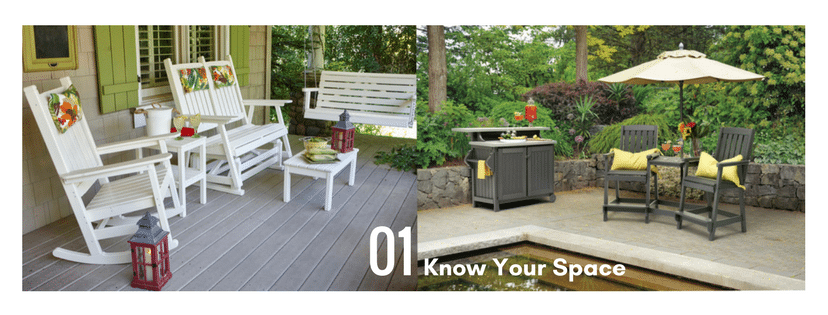
If you’re about to invest in outdoor furniture for your backyard area, there are some important things to consider before you commence your search. The best thing about buying outdoor furniture is that there are countless options available to choose from in terms of style and material, so although your search will have to be thorough, you have the potential to find the ideal piece. When you start your search for outdoor furniture, consider the following factors. Durability and Weather Resistance The durability of the outdoor furniture – and the material it’s made out of – is one of the most important considerations to keep at the forefront of your mind when purchasing. This is especially important if the outdoor furniture is likely to be vulnerable to a variety of weather conditions. When you’re searching for the perfect outdoor furniture, it’s worthwhile to put some thought into the type of material you should be opting for. Here’s a simple outdoor furniture buying guide: Plastic: Low maintenance and light weight, easy to manoeuvre around, and can be manufactured to look like wicker or wood. Steel: Very durable and strong. Can become too hot to touch, but it’s generally pretty resistant. Wood: A solid alternative for outdoor furniture, although it requires more maintenance than other materials. Wicker/Rattan: Unlimited variety of styles and designs available. Wicker and rattan furniture usually come with cushions and are comfortable and versatile. Style Style is a hugely important aspect when it comes to outdoor furniture. Although outdoor furniture shouldn’t be based purely on style, it’s still important to make sure you’re getting a piece that you like. When you’re looking for outdoor furniture, it’s beneficial to keep your preferences in mind, or you’ll find yourself feeling uninspired. The good thing about outdoor furniture is that the variety of styles available means you can find something that’s durable and still suits your space’s aesthetic. You should also identify what type of style is necessary for your backspace area. After all, there’s no point looking into furniture that’s Victorian styled if your backyard showcases a minimal and modern al fresco area. It’s recommended that you choose a material and then get picky with the style, as you don’t want to choose outdoor furniture that isn’t timeless or doesn’t suit your theme. Comfort and Practicality It’s fine to choose outdoor furniture because you love how it looks. However, if you haven’t at all thought about the practicality or functionality of what you’re buying, you run the risk of the outdoor furniture being pointless or easily damaged. All of your lifestyle factors need to be taken into consideration when you buy outdoor furniture. For example, do you have a chaotic family lifestyle? Do you have pets? Is the outdoor furniture going to be close to a pool? What do you even need the outdoor furniture for? Identify exactly why and how you could use outdoor furniture in your backyard and ensure that you’re buying pieces that don’t only suit the space, but also suit what’s going to be happening in the space.
Spring is right around the corner, and this means it’s time to get back outdoors to enjoy the warmer weather…
If you enjoy a glass of wine at the end of the day or love trying all types of…
While most people believe that the kitchen or living area should be the first to be renovated, we believe that…
It was love at first sight. This kitchen and dining room integrated into the living room, we liked all his…
(Image source: www.pixabay.com) Ethics…they sure can be a rare thing in the world. That being said, it is true that the modern demographic of consumers, aka millennials, are demanding for a shift toward more ethical business practices across the board. This ‘switched on’ generation is becoming increasingly savvy, aware, and active when it comes to driving brands to become more socially responsible. This is creating a compounding level of momentum when it comes to corporate policy. We wouldn’t blame you if you found it a little hard to believe…but, here are some examples of where the influence of millenials has held sway for the greater good… The global resource market The thing about millenials is that they are less likely to spend money than previous generations. This might suggest they are better at snagging deals and are more concerned about unnecessary wastage. For example, they look for the cheapest options when it comes to utilities and other bills, in order to leave money for ‘experiences’ – like eating out and travelling. This means they are more likely to try AGL solar for solar power, as a cheap and environmentally friendly option – developed as a response to Australian Government initiatives within the global resource market. Corporate responsibility It’s a fact that corporate social responsibility has become more of a focus in recent years due to the preferences, interests and influence of the millennial generation. The Nielsen Global Corporate Sustainability Report of 215 showed that 66 percent of global consumers say they’re willing to pay more for sustainable brands, a figure that increased 55 percent from the year before. It’s said that millennials favour ethical and charitable enterprise far more than any generation before them, and this certainly is reflected in today’s world of business. This means that they are more likely to turn away from companies that are known to use sweatshop labour, contribute to deforestation, test on animals and generally act in blatant favour of profits over ethics. Brands like Burt’s Bees, Method and The Body Shop are prime examples of ‘companies doing good’. Sustainable development Even fashion chain stores like Cotton On and Supre as part of the Cotton On Group – traditionally known for cheap and fast fashion – changed their tune in recent times to suit the beat of the millenials’ more eco-conscious drum. The ‘Better Cotton Initiative’ was introduced in 2016 in ‘support of Better Cotton farmers, protecting the environment and working for global change’. The initiative is about sourcing cotton from sustainable suppliers and working with stakeholders (including farmers and retailers) to ‘promote measurable and ongoing improvements to social, environmental and economic issues in cotton-farming communities around the world’. This is a good example of a considerable change in business practice to meet the ideals of a more ‘environmentally conscious’ generation. Social change Putting social change and charity front and centre has become a more commonplace reality for some modern brands. Take ice cream manufacturer Ben & Jerry’s, for example. This gourmet range of ice cream has a brand ethos that of ‘linked prosperity’ between the company and its employees, as well as its own foundation that gives back a high rate of profits to charity – 7.5 percent of pretax earnings. Ben & Jerry’s provide a great example of corporations becoming more involved in social change. In 2017, local stores celebrated the vote for same-sex marriage in Australia with free ice cream for the public. In the lead up to the plebiscite they also staged a promotion whereby they banned their shops from selling same-flavour scoops, with the slogan – ‘love comes in all flavours’. This is, almost certainly, an example of corporations getting involved in political and social change – a space where they would have been most fearful to tread in previous generations. The millennial market The millennial market….it requires a shifted approach when it comes to corporate policy. This takes into consideration the role of business in the global resource market, corporate responsibility, sustainable development, charity and social change. As such, ethics are seen as a commodity rather than a barrier to increased profit. All in all… it’s good news for the greater good.
In the past, when you told anyone that you hired an interior designer to work on your house, they would stare at you and think that you had money to burn. These
When it comes to making home improvements, it is important to be able to keep up to date with different…