Key Takeaways
- Emerging materials in commercial roofing are improving energy efficiency and environmental sustainability.
- Technological innovations are leading to more durable and cost-effective roofing solutions.
- Adoption of these materials can result in long-term savings and enhanced building performance.
Overview
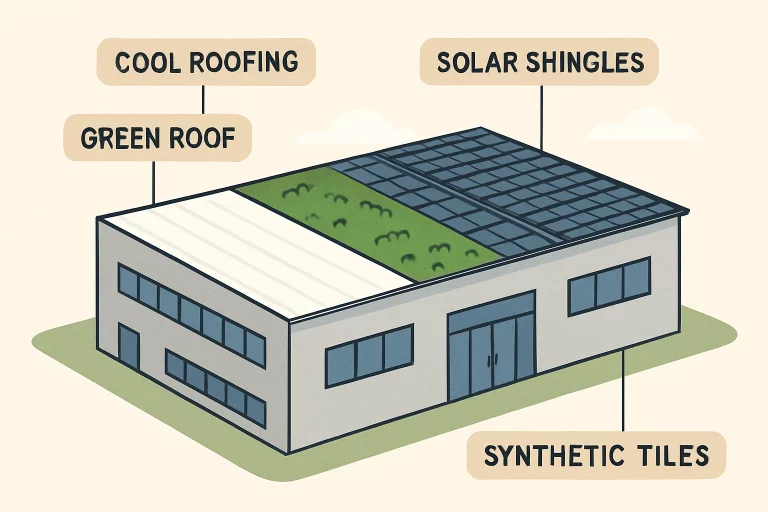
In recent years, the commercial roofing industry has witnessed a surge of innovation, powered by groundbreaking materials that promise superior building performance, energy savings, and a smaller environmental footprint. Today’s businesses are under greater pressure than ever before to reduce operating costs, improve sustainability, and protect assets from increasingly volatile climate conditions. As a result, the push for high-performing roofs that can withstand rigorous commercial demands has never been more intense. For those eager to stay ahead of industry trends and secure state-of-the-art protection for their properties, exploring commercial roofing specialties provides essential insights. Advanced roofing solutions are being developed for longevity, superior performance, and adaptability to diverse commercial environments. This evolution is driven by new regulations, tightening energy codes, and a growing awareness of the long-term value of roofing upgrades. Innovations such as cool roofing, living roofs, solar integration, synthetic composites, and self-healing membranes are transforming commercial roof engineering, maintenance, and value, offering benefits including reduced maintenance, enhanced comfort, improved performance, and a more favorable environmental impact.
Cool Roofing Materials
Cool roofing materials, including specialized industrial roofing specialties, mark a significant leap forward in the quest for energy-efficient, climate-adaptive building design. By utilizing highly reflective materials and coatings, these innovative roofs deflect a substantial portion of solar radiation, thereby keeping building interiors cooler and reducing the burden on air conditioning systems. This translates to measurable energy savings, a longer lifespan for HVAC equipment, and a marked reduction in operational costs during warm months. Importantly, these materials play a key role in ameliorating urban heat island effects in densely developed areas. Recent advances, such as GAF’s Timberline HDZ Reflector Series shingles built with EcoDark Granule technology, demonstrate how even dark-colored roofs, including specialized industrial roofing solutions, can meet strict environmental requirements without sacrificing curb appeal. Certified by the Cool Roof Rating Council and conforming to regulations like Title 24 and the LA County Green Building Standards Code, these solutions are paving the way for energy-smart, environmentally conscious commercial developments. Businesses that choose these products benefit from lower utility bills, increased occupant comfort, and improved compliance with green building codes.
Green Roofs
Embracing the harmony between architecture and nature, green roofs—or living roofs—bring vibrant plant life to the tops of commercial buildings, fundamentally redefining their role in urban spaces. Not only do these systems act as natural insulators, reducing the need for artificial heating and cooling, but they also serve as effective tools in stormwater management by absorbing rainfall and slowing runoff. A green roof’s ability to enhance urban biodiversity, filter air pollutants, and mitigate noise pollution provides added value to building occupants and the surrounding community. Extensive green roofs offer a lightweight, low-maintenance option ideal for most commercial applications, while intensive systems create lush, garden-like environments suitable for communal spaces or urban farming. Tangible improvements in air quality and heating or cooling efficiency complement the environmental benefits. As organizations pursue stricter sustainability targets, green roofs have become a preferred solution for meeting regulatory mandates, enhancing employee well-being, and creating attractive, usable open spaces above the cityscape.
Solar-Integrated Roofing
The integration of solar technologies directly into roofing materials is revolutionizing the way commercial properties generate and utilize on-site renewable energy. Instead of relying on bulky, rack-mounted solar arrays, today’s solar shingles—such as GAF’s pioneering Timberline Solar™—blend seamlessly into the roofline. This not only preserves the architectural integrity of the building but also simplifies installation and reduces labor costs, since many systems are compatible with standard roofing methods. Solar-integrated roofs have the potential to offset a significant share of a building’s electricity usage, contributing to substantial long-term savings. Moreover, business owners can benefit from various government incentives, rebates, and tax credits designed to promote the adoption of renewable energy. In addition to lowering monthly utility bills and decreasing dependence on fossil fuels, these solar solutions tend to increase property value, appeal to environmentally conscious tenants, and enhance a company’s public image. Emerging as a cornerstone of sustainable design, solar-integrated roofing aligns commercial assets with a clean energy future.
Self-Healing Roofing Membranes
Perhaps the most futuristic advancement in commercial roofing is the adoption of self-healing membranes—a technology that brings an extraordinary level of resilience and self-maintenance. These membranes are engineered with encapsulated sealant microcapsules distributed throughout the material. When the roofing surface sustains minor damage, the capsules burst and release their contents, seamlessly sealing punctures and preventing leaks from developing. This revolutionary capability drastically reduces the need for frequent manual inspections and emergency repairs, allowing building owners to save time and avoid costly disruptions. The benefits are particularly profound for expansive commercial facilities with high-traffic roofs or those located in geographic areas prone to severe weather and temperature fluctuations. By automatically responding to wear and tear, self-healing membranes extend roof life, preserve structural integrity, and support uninterrupted business operations. These intelligent materials are raising industry standards and setting new benchmarks for reliability, durability, and proactive building maintenance.
Conclusion
As the commercial roofing industry continues its rapid transformation, building owners are presented with an unprecedented array of materials that prioritize efficiency, resilience, sustainability, and economic sense. The adoption of next-generation solutions—from high-reflectivity cool roofs to sophisticated self-healing membranes—not only provides immediate operational benefits but also assures long-term value by reducing maintenance burdens, enhancing comfort, and complying with evolving environmental regulations. These advancements empower property managers to make informed, future-proof investments in their buildings. For those seeking to adopt innovative commercial roof systems and benefit from customized recommendations, Commercial Roofing Specialties provides expert guidance tailored to the complexities and opportunities of the modern commercial landscape.